




Author: Wallingford GMC
Welcome to your locally tailored maintenance guide designed specifically for drivers in Wallingford and surrounding areas like North Haven, Middletown, Southington, Waterbury, New Haven, and Hamden. At Wallingford GMC, we understand the unique driving conditions you face, from winter snow on I-91 to the bustling streets of downtown New Haven. With decades of experience serving our community, we’ve crafted this guide to align with the OEM maintenance schedule, taking into account our local roads, climate, and the needs of your GMC vehicle. We’re here to help you keep your vehicle running smoothly, ensuring it meets the demands of both daily commutes and weekend adventures.
Why Should You Follow a Maintenance Schedule for Your GMC?
Adhering to a maintenance schedule is crucial for protecting your investment in a GMC and ensuring its reliability, particularly in the local climate of Wallingford and its surroundings. The heat and humidity of Connecticut can accelerate wear on fluids, belts, and filters, while seasonal pollen can obstruct air intake systems. Frequent short trips around the area, whether you’re heading to Choate or commuting to New Haven, put additional stress on your vehicle that regular service can mitigate.
By sticking to the recommended schedule, you maintain your GMC’s performance, fuel efficiency, and safety, which is vital for navigating routes like North Colony Road or I-91 during winter weather. This proactive approach not only helps prevent breakdowns but also ensures your vehicle operates as intended, providing peace of mind on every journey. For further insights on vehicle care, check out resources like Edmunds.
How Does GMC’s Service Reminder System Work?
Many GMC vehicles are equipped with a service reminder system that helps you stay on top of routine maintenance. Depending on your specific model and year, this reminder may be based on a simple time or mileage counter, or it might adjust based on how the vehicle has been used. This means that while some vehicles give you a straightforward schedule, others might offer a more dynamic approach to notifying you when service is due.
When maintenance is approaching, you’ll typically see a notification in the form of a dashboard message, a service indicator like a wrench light, a maintenance reminder, or an oil-life percentage reading. Since these features can vary from one model to another, it’s essential to consult your owner’s manual for the exact details. Additionally, local driving conditions around Wallingford and nearby towns—like short trips, stop-and-go traffic on Route 5, or towing—can affect how frequently maintenance is needed, so keep that in mind as you plan your service.
What Does the Primary Service Reminder Mean?
After understanding how service reminders work in general, it’s important to know what the primary reminder signals for your vehicle. This reminder serves as a high-level alert indicating that scheduled maintenance is due or will be soon. Depending on the model, it may manifest as a straightforward message or indicator, while others might display additional context through a maintenance screen or settings menu. To understand exactly what maintenance is required, refer to your owner’s manual or the in-vehicle maintenance information.
Primary reminder: This is a general signal for you to check your vehicle’s maintenance guidance and prepare for service. It typically means that maintenance is approaching, but it may not specify each individual item needing attention.
Additional details (if shown): Some vehicles provide extra information—such as a maintenance screen, percentage indicators, or descriptive messages—that clarify what requires your attention. If your vehicle displays such details, utilize them alongside the owner’s manual to confirm the recommended service.
What Do Additional Service Indicators Mean?
Many vehicles provide extra details beyond the primary service reminder, including additional items, symbols, or menu entries that clarify what type of service may be approaching. While not all GMC models will show these details, understanding them can help you anticipate maintenance needs. The following examples illustrate common service indicators that some vehicles might include, but check your owner’s manual for specifics related to your model.
- Tire rotation: Rotating your tires can help ensure even tread wear and improve handling. In Wallingford, where stop-and-go traffic on North Colony Road (Route 5) is common, regular rotations can extend tire life.
- Engine and cabin air filters: The engine air filter ensures proper airflow to the engine, while the cabin filter maintains air quality inside the vehicle. Dust and pollen, especially during spring in North Haven and Middletown, can lead to clogged filters over time.
- Transmission fluid: Some vehicles recommend regular transmission fluid service as part of routine maintenance. If you frequently drive in stop-and-go traffic or on hilly roads, the transmission may experience increased stress and heat.
- Spark plugs and valve clearance check (when applicable): Spark plugs may need to be replaced at scheduled intervals, and some engines may also require valve clearance inspections. These checks are often more relevant as your vehicle ages or accumulates mileage.
- Engine coolant: The coolant system is vital for regulating engine temperature. During hot weather or extended highway drives, as you might experience on I-91, the cooling system can face added demands, making regular checks important.
- Rear differential fluid (AWD/4WD, if equipped): For GMC models with all-wheel drive or four-wheel drive, monitoring rear differential fluid is essential, especially after driving in wet or uneven conditions common in Southington and Waterbury.
- Brake fluid: Over time, brake fluid can absorb moisture, affecting braking performance. If your vehicle indicates a brake fluid check, it’s essential to adhere to the service interval to maintain safe braking.
What is a Typical GMC Service Schedule for Wallingford Drivers?

Understanding a typical service schedule can be a valuable reference for planning vehicle maintenance. While your GMC may not have a built-in reminder system, the information in your owner’s manual and any in-vehicle service alerts (if available) serve as the primary sources of guidance. This overview is tailored to reflect common driving conditions in Connecticut—such as the short trips and stop-and-go traffic you may encounter on busy roads like North Colony Road (Route 5) and East Center Street—helping you anticipate upcoming service intervals without assuming your vehicle measures these driving patterns.
What Services Are Needed in the First 30,000 Miles?
During the first 30,000 miles of ownership, drivers typically focus on foundational services such as routine oil changes, tire rotations, and filter maintenance. The specific intervals for these services can vary based on the individual GMC model, driving habits, and manufacturer recommendations.
Oil service: Most GMC vehicles will require oil changes at intervals that can range from a few thousand miles up to around 7,500–10,000 miles, particularly if the driving conditions involve frequent short trips or stop-and-go traffic common in areas like Wallingford and New Haven. If you’re navigating through local traffic or dealing with winter conditions on I-91, it’s likely that oil service will be needed sooner than in a more highway-focused driving routine.
Tire rotations and filters: Tire rotations are often performed at similar intervals to oil changes, ensuring even wear as you drive through local construction zones and seasonal weather changes. It’s also vital to keep an eye on the engine and cabin air filters, as they can become clogged with dust and pollen—especially in spring—resulting in replacements typically around the 15,000 to 30,000-mile mark. For residents in the Wallingford area, paying attention to local environmental factors can help determine the best timing for these essential services.
What Maintenance Should Be Done Between 30,000 and 60,000 Miles?
As your GMC vehicle reaches 30,000 to 60,000 miles, maintenance often shifts from basic upkeep to more complex services aimed at protecting critical systems. The timing for these services can vary greatly depending on your specific GMC model, powertrain, and driving conditions, particularly the mix of stop-and-go traffic and highway driving typical around Wallingford and surrounding areas. Always consult your owner’s manual and any in-vehicle maintenance information for the most accurate guidance.
Transmission fluid: Quality transmission fluid is essential for smooth gear shifts and the longevity of your vehicle’s transmission system, which can be one of its most intricate components.
Brake fluid, brakes, and tires: Regular inspections of your brakes and tires become critical in this period to ensure safe stopping and predictable handling, especially when navigating the varied conditions of Connecticut highways like I-91 or U.S. Route 5. For those interested in assessing vehicle reliability and overall owner satisfaction, consider checking Consumer Reports.
What Major Services are Required Approaching 100,000 Miles?
As your GMC vehicle nears the 100,000-mile mark, it’s common to consider some significant maintenance services. However, the specific needs can vary based on the model and engine type, so it’s crucial to consult your owner’s manual and any in-vehicle maintenance information for accurate guidance.
Why is Local Expertise Important for Servicing Your GMC?
Having a service team that understands the unique driving conditions and environmental factors in Wallingford can significantly enhance the longevity and performance of your GMC vehicle. Here, we face intense heat and humidity during summer, which can put extra strain on your engine and A/C system. The fine pollen in spring can clog air filters more quickly, while the clay-rich soil can impact suspension components. Our technicians are well-versed in identifying these region-specific wear patterns, ensuring that your GMC is not just serviced, but fine-tuned for the conditions you encounter on local roads like North Colony Road (Route 5) and South Main Street.
For example, they pay close attention to how traffic patterns in the area can lead to uneven tire wear, especially during rush hours. This local knowledge not only builds trust but also provides practical advantages for maintaining your vehicle. For more information on safety and maintenance standards, you can refer to the National Highway Traffic Safety Administration (NHTSA) for valuable resources.
Frequently Asked Questions (FAQs)
How often should I change my oil in Wallingford’s climate?
For most GMC vehicles, oil changes are typically recommended every 5,000 to 10,000 miles, depending on your driving habits and the type of oil used. Given our seasonal extremes, particularly the cold winters, following your vehicle’s service reminder or owner’s manual is crucial for optimal engine performance.
Are all-season tires suitable for driving in Wallingford?
All-season tires are generally adequate for most of the year in Wallingford, providing reliable traction for wet roads and light snow. However, during heavy snowfall, especially on rural roads, considering winter tires might enhance safety and performance.
Does commuting on local highways affect my vehicle’s maintenance schedule?
Yes, commuting on busy routes like I-91 or Route 5 can put additional strain on your vehicle, particularly in stop-and-go traffic. This may lead to more frequent service recommendations from your vehicle’s maintenance monitoring system.
How often should I replace my cabin air filter, especially during pollen season?
It’s advisable to inspect your cabin air filter annually, particularly after the spring pollen season in Wallingford. For many drivers, replacing it every 12,000 to 15,000 miles helps maintain clean air inside the vehicle and ensures your A/C system runs efficiently.
Is all-wheel drive (AWD) beneficial for driving in this area?
While AWD isn’t necessary for every driver, it greatly enhances stability and traction during Wallingford’s winter storms and rainy conditions. This added control can be particularly useful for navigating local highways and rural roads.
What maintenance schedule should I follow for my older vehicle without a service reminder system?
For older GMC models, a good practice is to change the oil every 5,000 miles with conventional oil or every 7,500 miles with synthetic oil. Additionally, refer to your owner’s manual for recommended intervals for other maintenance tasks, like filter changes and fluid checks.
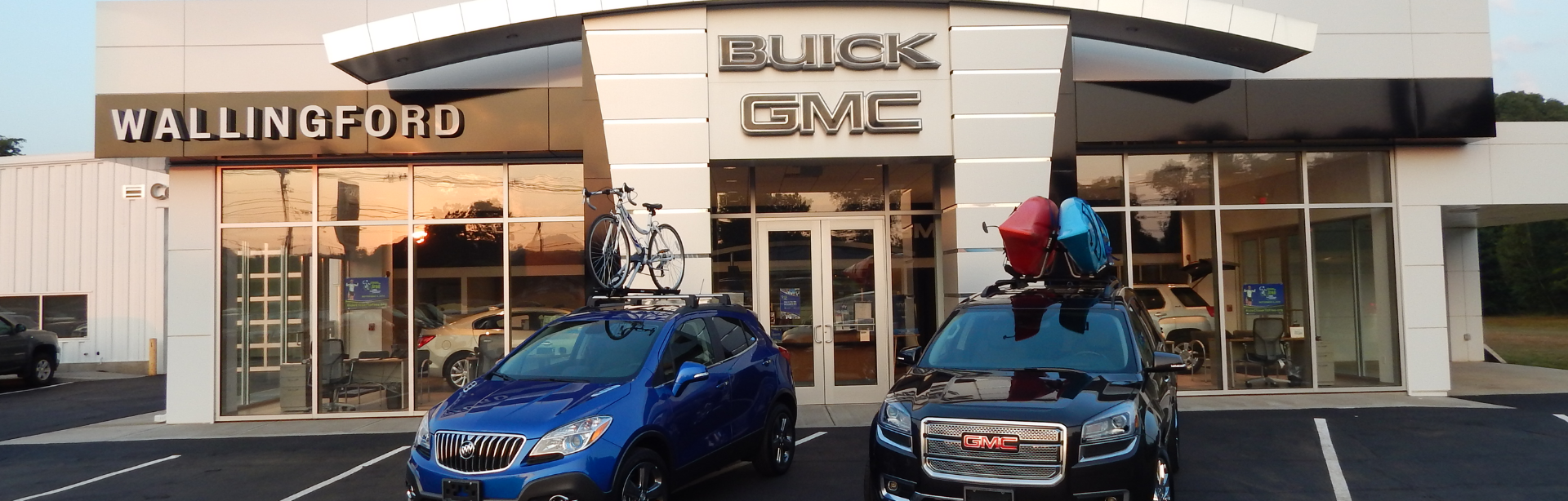
About Wallingford GMC
Wallingford GMC has been a trusted, family-owned part of the community since 1914. Our long history is backed by recent honors, including the 2025 State of CT General Assembly Honors and the Chamber of Commerce Large Business Leadership Award. We take pride in our people-first approach, offering transparent, no-haggle pricing and unique benefits like overnight test drives. As active community partners, we regularly host food and toy drives to support our neighbors. With over a century of experience, our team is dedicated to providing an award-winning and trustworthy experience for every customer.
Related Articles:
A Connecticut Driver’s Guide to Finding the Right GMC Dealer
Connect with us

